Vector Transport: A Versatile Tool for Creative Designers
In the ever-evolving world of design, the ability to create and manipulate visual elements with precision and flexibility is essential. One such tool that has gained attention among creative professionals is Vector Transport. This concept, while not widely known, offers a unique approach to managing and utilizing vector graphics in both print and digital media. For designers, marketers, and entrepreneurs, understanding Vector Transport can open up new possibilities in their workflow and project execution.
What Is Vector Transport?
Vector Transport refers to the process of moving, storing, and reusing vector-based design elements across different platforms and applications. Unlike raster images, which are made up of pixels, vector graphics are based on mathematical formulas that define shapes, lines, and curves. This makes them scalable without losing quality, a critical factor for both web and print projects.
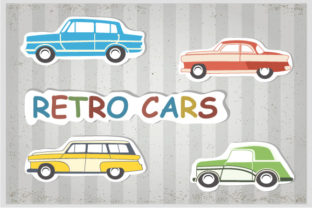
A set of vector elements typically includes various types of objects—such as icons, illustrations, and symbols—that can be easily modified and adapted. In the context of Vector Transport, these elements are often organized into structured files that allow for seamless integration into different design environments. This could mean exporting a set of vector cars in multiple formats, each tailored for specific use cases.
The Broader Industry Context
The rise of digital design has transformed how creatives approach their work. With the increasing demand for high-quality, adaptable visuals, the need for scalable and editable assets has never been greater. Vector Transport aligns with this shift by providing a streamlined method for managing complex design components.
From a market perspective, the design industry is moving toward more collaborative and modular workflows. Teams often require access to shared assets that can be edited and reused efficiently. Vector Transport supports this by enabling designers to transport and repurpose elements across projects without compromising quality or consistency.
This trend is also influenced by technological advancements. As software tools become more sophisticated, the ability to handle large sets of vector elements becomes more accessible. Tools like Adobe Illustrator and other vector editing platforms now offer features that support the efficient transport and management of design assets.
Why Vector Transport Matters
One of the main reasons designers are paying attention to Vector Transport is its impact on productivity. By using a set of vector elements, designers can save time and reduce errors that come with manually recreating graphics. For instance, a collection of cars in different sizes, colors, and styles can be quickly adjusted to fit a new project’s requirements.
Moreover, Vector Transport supports the growing emphasis on customization and personalization in design. Whether it's for branding, advertising, or user interface development, having access to a flexible set of vector assets allows for more tailored solutions. This is especially important in industries where visual consistency is key, such as marketing and product design.
Another significant advantage is the ability to edit colors and other properties within the supplied files. This means that instead of relying on pre-designed images, designers can make real-time adjustments to match their brand guidelines or project needs. This level of control is invaluable when working on multi-platform campaigns that require consistent visual representation.
Practical Applications and Examples
Consider a scenario where a marketing team is launching a new campaign for a car rental service. Instead of commissioning new illustrations from scratch, they can utilize a set of vector cars that have already been created. These files can be imported into design software, and the team can adjust colors, sizes, and styles to match the campaign’s theme.
Similarly, a web designer working on an e-commerce site might use a set of vector icons and elements to create a cohesive look across different pages. The scalability of vector graphics ensures that these assets remain sharp and clear at any size, making them ideal for responsive web design.
For print projects, the benefits of Vector Transport are equally significant. High-resolution vector files can be used for everything from business cards to large-format posters, ensuring that the final output maintains its quality regardless of the medium. This is particularly useful for businesses that need to maintain a consistent brand image across various touchpoints.
Meeting Changing Needs and Expectations
As consumer expectations evolve, so too do the demands placed on designers and creators. Today’s audiences expect visually engaging and highly customizable content. Vector Transport helps meet these expectations by offering a flexible and efficient way to manage design assets.
Additionally, the shift toward remote and hybrid work models has increased the need for shareable and reusable design elements. With Vector Transport, teams can collaborate more effectively, as vector files can be easily transferred and modified without the need for extensive file conversions or loss of quality.
For freelancers and independent creators, the ability to quickly adapt and reuse assets is a game-changer. It allows them to take on a wider range of projects without the overhead of creating everything from scratch. This not only saves time but also enhances their ability to deliver high-quality work consistently.
Looking Ahead: The Future of Vector Transport
As the design industry continues to grow and diversify, the role of Vector Transport is likely to expand. With the increasing adoption of AI and machine learning in design tools, we may see even more advanced methods for transporting and manipulating vector elements. This could include automated color adjustments, smart layout suggestions, and more intuitive asset management systems.
Moreover, as sustainability becomes a more prominent concern, the efficiency of vector graphics could play a role in reducing digital waste. Since vector files are generally smaller in size compared to raster images, they contribute to faster loading times and lower bandwidth usage—benefits that are increasingly valued in the digital landscape.
Ultimately, Vector Transport represents more than just a technical process; it reflects a broader shift toward efficiency, flexibility, and collaboration in the creative industry. For professionals who rely on high-quality design assets, embracing this concept can lead to more effective workflows, better results, and greater creative freedom.
Conclusion
Vector Transport is more than just a method for handling vector files—it's a strategic approach that empowers designers, marketers, and entrepreneurs to work smarter, not harder. By leveraging a set of vector elements that can be easily edited and transported, professionals can meet the evolving demands of the market while maintaining the highest standards of quality and consistency.
Whether you're working on a print project, a digital campaign, or a custom design solution, the principles of Vector Transport offer valuable insights into how to optimize your creative process. As the design industry continues to advance, those who embrace these concepts will be well-positioned to thrive in an increasingly competitive and dynamic environment.