Vector Industrial and City Buildings: A Creative Designer’s Essential Resource
In the world of graphic design, illustrations, and visual storytelling, having access to high-quality, versatile assets is crucial. One such resource that has gained popularity among creative professionals is vector industrial and city buildings. These scalable vector files offer a unique blend of flexibility, precision, and adaptability that makes them ideal for both digital and print projects. Whether you're working on a presentation, a website, or a marketing campaign, understanding the value of these vector elements can significantly enhance your creative workflow.
What Are Vector Industrial and City Buildings?
Vector industrial and city buildings are digital illustrations created using vector graphics software. Unlike raster images (such as JPEGs or PNGs), which are made up of pixels, vector graphics use mathematical formulas to define shapes, lines, and curves. This means that they can be scaled to any size without losing quality, making them perfect for a wide range of applications.
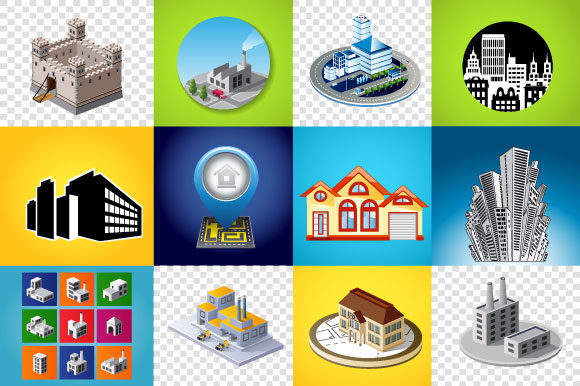
The set typically includes a variety of building types—ranging from modern skyscrapers to traditional factories, warehouses, and urban structures. Each element is designed with precision, allowing users to customize colors, adjust sizes, and integrate them seamlessly into different projects.
Why Use Vector Files for Industrial and City Buildings?
There are several compelling reasons why designers and artists choose vector files over other image formats:
- Scalability: Vector files maintain their clarity at any size, which is essential when designing for both web and print.
- Customization: The ability to edit colors, shapes, and details directly within the file gives designers full control over the final look.
- Compatibility: These files are often available in multiple formats, including AI, EPS, JPG, PNG, and PSD, ensuring they can be used across various platforms and software.
- Professional Quality: High-resolution vector designs ensure that your work looks polished and professional, no matter where it's displayed.
The Significance of Vector Industrial and City Buildings in Modern Design
As the design industry continues to evolve, the demand for high-quality, customizable assets has never been higher. Vector industrial and city buildings play a key role in this landscape by providing a foundation for a wide array of creative projects. From architectural renderings to infographics and concept art, these elements help bring ideas to life with precision and clarity.
For instance, a designer working on a cityscape illustration might use vector buildings to create a realistic urban environment. Similarly, a marketing team developing a presentation about industrial growth could incorporate these elements to visually represent data in an engaging way.
Practical Applications in Different Industries
The versatility of vector industrial and city buildings makes them valuable across multiple sectors:
- Architecture and Urban Planning: Architects and planners can use these vectors to draft conceptual designs, visualize city layouts, or create detailed blueprints.
- Graphic Design and Advertising: Designers often rely on these elements to create eye-catching visuals for campaigns, brochures, or social media content.
- Education and E-Learning: Teachers and educators can use these resources to illustrate lessons on urban development, industrial history, or geography.
- Game Development and Animation: Game designers and animators may incorporate these elements to build virtual environments or background scenes.
Understanding the File Formats Included
When purchasing a set of vector industrial and city buildings, you typically receive a variety of file formats to suit different needs. Here's a breakdown of what you can expect:
- .AI Files (Adobe Illustrator): These are editable vector files that allow for advanced customization using Adobe Illustrator.
- .EPS Files (Encapsulated PostScript): A widely supported format that works well for both print and digital use.
- .JPG Files: Ideal for web use, these files provide high-quality images in a common format.
- .PNG Files: Similar to JPGs but with transparent backgrounds, making them perfect for overlaying on different backgrounds.
- .PSD Files (Photoshop Document): These files allow for layer-based editing in Adobe Photoshop, offering more flexibility for compositing and effects.
How to Choose the Right Format for Your Project
Choosing the right file format depends on your specific needs. For example:
- If you need to make color changes or modify individual elements, .AI or .EPS files are the best options.
- If you're working on a website or social media post, .JPG or .PNG files will likely be more practical.
- If you're using Photoshop for a composite image, .PSD files will give you the most control.
Common Misconceptions About Vector Graphics
Despite their many benefits, there are some common misconceptions about vector graphics that can deter users from utilizing them effectively:
- Misconception: Vector graphics are only for simple shapes. In reality, vector files can include complex details, textures, and gradients, making them suitable for intricate designs.
- Misconception: Vector files are hard to edit. With the right software, editing vector files is straightforward and allows for precise adjustments.
- Misconception: Vector graphics are not as visually rich as raster images. While raster images may have more texture, vector graphics can achieve similar visual richness through careful design and color application.
Conclusion: Embracing the Power of Vector Industrial and City Buildings
Vector industrial and city buildings are more than just design assets—they are tools that empower creators to bring their visions to life with precision, flexibility, and professionalism. Whether you're a seasoned designer or just starting out, these scalable vector files offer a wealth of possibilities for enhancing your work across various platforms and industries.
By understanding the purpose, significance, and practical applications of these elements, you can make informed decisions about how to incorporate them into your projects. With the right tools and knowledge, you'll be well-equipped to leverage the full potential of vector graphics in your creative journey.