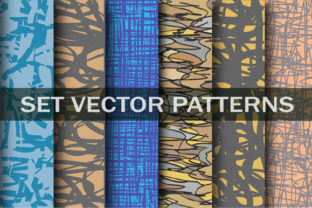
Set Vector Pattern for Creative Designers
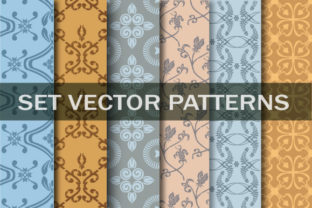
For creative designers, having access to high-quality, scalable vector patterns is essential. Whether you're working on print or web projects, the right set of vector patterns can elevate your design work and streamline your workflow. A Set Vector Pattern offers a collection of non-repetitive, non-seamless vector files that are easy to customize and adapt to different needs.
These sets typically include a variety of elements that can be used in multiple ways. Each pattern is designed with flexibility in mind, allowing users to change colors easily within the supplied files. This makes them ideal for both quick adjustments and more complex design iterations.
Understanding Set Vector Pattern
A Set Vector Pattern refers to a curated group of vector graphics that are designed to be used as standalone elements or combined into larger compositions. These patterns are not repetitive, meaning they don't repeat in a way that could look artificial or unprofessional. They also aren't seamless, which means they can be used in specific areas without needing to be repeated across an entire surface.
This type of pattern is particularly useful for designers who want to add texture, detail, or visual interest to their work without relying on stock images or generic backgrounds. The ability to edit colors directly in the file ensures that the design remains consistent with brand guidelines or personal style choices.
Integration into the Design Process
The Set Vector Pattern can be integrated at various stages of the design process. Before starting a project, these patterns can serve as inspiration or reference points for developing a visual identity. During the creation phase, they can be layered onto layouts, added to backgrounds, or used as decorative elements to enhance the overall aesthetic.
After a project is completed, these patterns can be reused in future designs, ensuring consistency across different campaigns or brand materials. This long-term usability makes them a valuable addition to any designer's toolkit.
Use Cases for Set Vector Pattern
- Print Projects: For business cards, brochures, or packaging, a Set Vector Pattern can add a unique touch without compromising quality.
- Web Design: When creating website headers, banners, or background textures, these patterns provide a professional and scalable solution.
- Brand Identity: Customizing colors within the pattern files allows for seamless integration with existing brand palettes.
- Illustrations: Use the patterns as part of illustrations to add depth and complexity to digital artwork.
Practical Implementation Tips
To make the most of a Set Vector Pattern, it's important to plan how and where they will be used. Start by identifying the specific needs of your project. Are you looking for a subtle background texture, a bold graphic element, or something that can be repeated in a controlled way?
Once you've determined the purpose, consider the compatibility of the file formats provided. Most sets include AI (Adobe Illustrator) files, EPS (Encapsulated PostScript) files, and high-resolution JPGs. These formats ensure that the patterns can be used across different platforms and software applications.
Workflow Examples
- Preparation: Organize the downloaded files into separate folders based on format or intended use. This helps maintain clarity and efficiency when accessing the files later.
- Editing: Open the AI or EPS files in a vector editing program like Adobe Illustrator. Adjust colors, scale elements, or modify the pattern as needed to fit your design.
- Exporting: Once the pattern is customized, export it in the required format for the final output. For print, use high-resolution JPGs; for web, consider SVG or PNG formats for scalability.
- Review: Check the final design against the original pattern to ensure accuracy and consistency. Make sure all elements align with the project’s goals and visual standards.
Factors to Consider
When using a Set Vector Pattern, several factors should be considered to ensure optimal results. Preparation is key—having a clear understanding of how the pattern will be used can prevent unnecessary revisions. Compatibility with other design tools and file formats is also important, as it affects how easily the pattern can be incorporated into different workflows.
Usability is another critical factor. A well-organized set of patterns with clear labeling makes it easier to find and apply the right element quickly. Consistency in design elements helps maintain a cohesive look across multiple projects, while quality control ensures that the final output meets professional standards.
Long-Term Use and Organization
Investing in a Set Vector Pattern can pay off over time, especially if the files are well-organized and easily accessible. Create a dedicated folder for these assets and label them clearly so they can be retrieved quickly when needed. This practice saves time and reduces the risk of misplacing important design elements.
Additionally, maintaining a backup of the original files ensures that you can always return to the base design if changes are needed. This is particularly useful for large projects where multiple versions of a pattern may be created.
Conclusion
Set Vector Pattern is a powerful resource for creative designers looking to enhance their work with customizable, high-quality graphics. By integrating these patterns into your workflow, you can improve efficiency, maintain consistency, and achieve professional results across a wide range of projects. Whether you're designing for print, web, or branding, the flexibility and adaptability of these vector files make them an essential tool in any designer's arsenal.